Most driving decisions aren’t dramatic. You don’t sit down with a calculator and a cup of coffee to plan them. They happen somewhere between habit and mild irritation. FASTag passes fall into that category. You don’t wake up excited to think about toll payments, but you definitely notice when something goes wrong.
If you drive often enough—office commutes, client visits, family trips, weekend highway escapes—you’ve probably felt that low-level annoyance creep in. The kind that comes from checking balances too often, recharging at the wrong moment, or realizing your FASTag didn’t deduct properly and now you’re holding up a line of cars behind you.
That’s usually when people start thinking about passes. Monthly. Annual. Something more predictable. Something quieter.
The Daily Reality Nobody Writes About
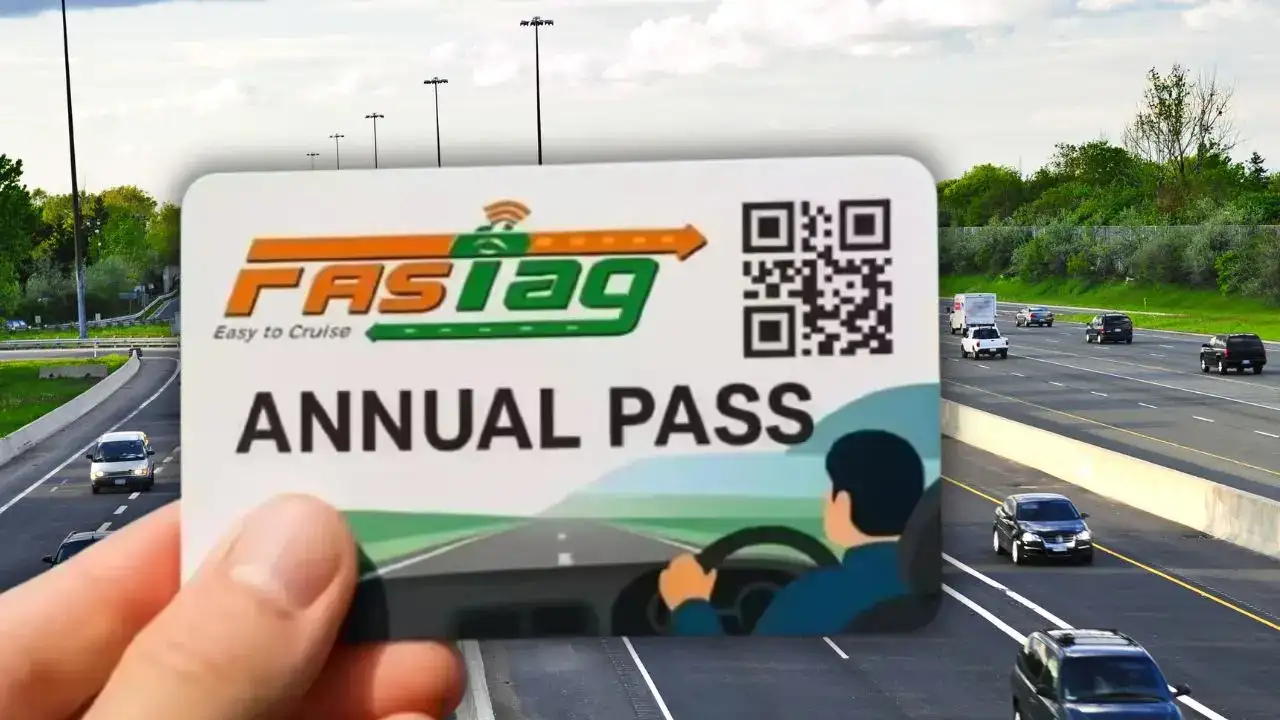 Highways are strange places. One day they feel smooth and meditative. The next day they feel like a test of patience you didn’t sign up for. Toll plazas, especially, bring out emotions you didn’t know you had—impatience, awkwardness, sometimes even guilt when your car becomes “that car” holding everyone up.
FASTag solved a lot of this, but it didn’t erase the need to manage it. Balance checks. Recharge reminders. App notifications. It’s not heavy work, but it’s constant. And constant things have a way of tiring you out over time.
That’s where passes come in—not as a grand solution, but as a small adjustment to reduce mental noise.
Living Month to Month on the Highway
A monthly pass feels familiar because it mirrors how many of us already manage life. Monthly bills. Monthly budgets. Monthly planning. It doesn’t ask for long-term commitment, just a short nod of agreement: “Yes, this is my routine right now.”
For commuters who use the same route daily or weekly, a fastag monthly pass ↗ can feel like a sensible step. You know your pattern. You know you’ll cross that same toll plaza again and again. Paying once for the month simplifies things without locking you in too deeply.
There’s also a psychological comfort here. If your job changes, your route shifts, or you simply start traveling less, you can adjust next month. No guilt, no feeling of wasted money. Monthly passes suit people whose lives are still in motion.
The Hidden Cost of “Just Recharging”
People often underestimate how much attention small tasks consume. Recharging FASTag isn’t hard. It takes minutes. But it interrupts your flow. You remember it when you’re busy, or worse, when you’re already on the road.
Over time, these interruptions add up. You might not call it stress, but it sits somewhere in the background. A monthly pass reduces that frequency. Not completely, but noticeably.
You stop checking as often. You stop wondering if today’s balance will be enough. The road feels just a bit smoother, even if nothing else has changed.
When Annual Starts to Make Sense
Annual passes appeal to a different mindset. The kind that likes setting things up once and moving on. If your driving routine is stable—same highways, frequent long trips, predictable usage—the yearly option begins to look less like a commitment and more like relief.
For many people, deciding to fastag annual pass buy ↗ isn’t about chasing discounts or being “smart” with money. It’s about reducing decisions. One payment. One setup. Then silence for a year.
There’s something deeply satisfying about not having to think about tolls at all. They fade into the background, like autopay for electricity or a streaming subscription you barely notice anymore.
It’s Not Really About Money (Most of the Time)
Yes, people ask about savings. Yes, comparisons are made. But in real conversations, the deciding factor is rarely just cost. It’s convenience versus flexibility.
Monthly passes offer control. Annual passes offer calm.
Neither is universally better. Someone who drives occasionally might regret a yearly pass. Someone who drives daily might wonder why they waited so long. The mistake isn’t choosing one—it’s choosing without noticing your own habits.
Stories You Hear on the Road
Talk to cab drivers, sales professionals, or people who commute between cities, and you’ll hear similar stories. The first few months, they manage with regular recharges. Then comes that one bad day. Network issues. Long queue. FASTag not deducting properly. Embarrassment. Frustration.
That day often becomes the turning point. That’s when passes stop being an abstract idea and start feeling practical.
On the other hand, you’ll also hear stories of people who bought long-term passes and then barely traveled that year. Life changed. Plans shifted. Suddenly, the “smart decision” felt unnecessary.
Both stories are valid. They just belong to different lifestyles.
The Bigger Shift We Don’t Notice
FASTag wasn’t just a digital payment system. It subtly changed how we experience highways. Less stopping. Less arguing. Less fumbling for cash.
Passes take that idea one step further. They push toll payments even further into the background. And that’s where good systems belong—working quietly, without demanding attention.
As road networks expand and travel becomes more frequent, these small efficiencies will matter more. Not because they’re revolutionary, but because they reduce friction in a world already full of it.
Ending on a Human Note
Choosing between monthly and annual FASTag passes isn’t a test of intelligence or planning skills. It’s a reflection of how predictable your life feels right now.
If you like flexibility, monthly might feel right. If you crave simplicity, annual might feel like a gift to your future self.