If you drive long enough in India, highways stop feeling like special occasions. They become extensions of your daily life. A stretch of road you know by heart. A toll plaza where you instinctively slow down. A familiar beep that tells you the scanner worked. None of this feels dramatic anymore, but it all adds up. Over time, the cost — financial and mental — becomes noticeable. That’s usually when people start looking beyond basic FASTag use and begin asking deeper questions about passes, recharges, and whether there’s a simpler way to exist on the road.
FASTag was a relief when it first arrived. No cash, fewer arguments, smoother lanes. But convenience has layers. For frequent drivers, recharging again and again feels like a chore you didn’t sign up for. You’re not against paying tolls; you just don’t want to keep thinking about them. And that’s where the idea of an annual pass enters the picture, quietly but convincingly.
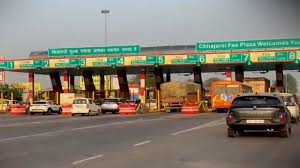 The phrase fastag annual pass 3000 ↗ pops up often in conversations, especially among daily commuters and small business owners. It’s not the number itself that catches attention, but what it represents: a flat, predictable cost. One payment, one decision, and then months of driving without constantly doing math in your head. For someone crossing toll plazas almost every day, this kind of clarity feels less like a deal and more like relief.
What’s interesting is how quickly people stop focusing on savings and start focusing on simplicity. Yes, there can be financial benefits if your usage matches the pass structure. But the bigger win is psychological. You’re no longer counting trips. You’re no longer checking if today’s drive is “worth it.” The road just becomes the road again, not a series of transactions.
Of course, not everyone fits neatly into the annual-pass lifestyle. Life isn’t that tidy. Some months are busier than others. Some routes change. Some people move cities. That’s why the decision to commit for a year should come after observing your own habits honestly. How often are you really on the highway? Not how often you think you are, but how often you actually are.
This self-awareness is something drivers develop over time. You start noticing patterns: Mondays are heavy, Fridays are unpredictable, weekends are lighter. You realize you’re topping up your FASTag more often than you’d like. You catch yourself timing trips around balance alerts. These are the moments when long-term solutions start making sense.
Still, even with an annual pass, not everything disappears. Recharges don’t vanish entirely from your vocabulary. There are still systems to manage, accounts to maintain, and occasional hiccups to deal with. That’s where fastag recharge online ↗ remains relevant, even for people who’ve moved to passes. The difference is frequency. Instead of reacting every few days or weeks, you’re interacting with the system far less often. And when you do, it’s on your terms.
There’s a subtle shift that happens when toll management stops interrupting your routine. You drive more confidently. You’re less hesitant to take the highway instead of cutting through crowded city roads just to save a few rupees. Over time, this can actually improve your driving experience — smoother routes, fewer sudden stops, less frustration. It’s not something you notice immediately, but you feel it.
Another angle people don’t talk about much is fatigue. Not physical tiredness, but decision fatigue. Every small decision drains energy: Which lane? Is my balance enough? Will the scanner work? When those questions disappear, even partially, long drives feel lighter. You arrive less annoyed. You’re not carrying that low-level irritation with you into meetings or family dinners.
That said, no system is flawless. Annual passes don’t fix malfunctioning scanners or confusing signage. Customer support can still be slow. Technology still has off days. But when these issues become occasional instead of constant, they’re easier to brush off. Perspective shifts when the baseline experience improves.
There’s also a larger story unfolding here. FASTag passes reflect a slow but steady change in how road infrastructure is being used and understood. We’re moving away from purely transactional thinking toward something closer to access-based models. You’re not paying for each moment; you’re paying for the ability to move freely within certain bounds. It’s a subtle shift, but a meaningful one.
For businesses, especially logistics and transport, this predictability can ripple outward. More accurate scheduling. Fewer delays at toll plazas. Better fuel planning. These benefits don’t always show up in flashy advertisements, but they’re felt on the ground, day after day.
For individual drivers, the benefit is quieter. It shows up as fewer notifications. Fewer calculations. Fewer moments of annoyance. Over time, those small reductions in friction make driving feel more human again, less like a constant negotiation with systems and screens.
In the end, choosing an annual FASTag pass isn’t about chasing the cheapest option or following a trend. It’s about aligning how you pay with how you actually live. If highways are a regular part of your rhythm, simplifying toll payments can genuinely improve your days. Not in a dramatic, life-changing way — but in the kind of steady, background improvement that makes routines feel manageable.
And sometimes, that’s the best kind of upgrade.